Reviewing LEVEL 10 CHARGED for Real Embroidery Use
As a designer who has spent years translating digital concepts into thread, I approach every new asset with a critical eye. We are not just looking at pixels; we are visualizing how ink and needle will interact with fabric. Recently, I evaluated the LEVEL 10 CHARGED Gaming T-Shirt design to determine its viability for actual production work. This is not a theoretical exercise. I needed to know if this graphic could withstand the rigors of stitching, washing, and daily wear while maintaining its aesthetic appeal for clients.
First Impressions and Visual Personality
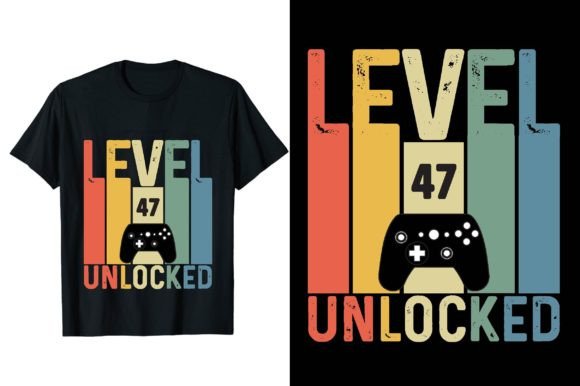
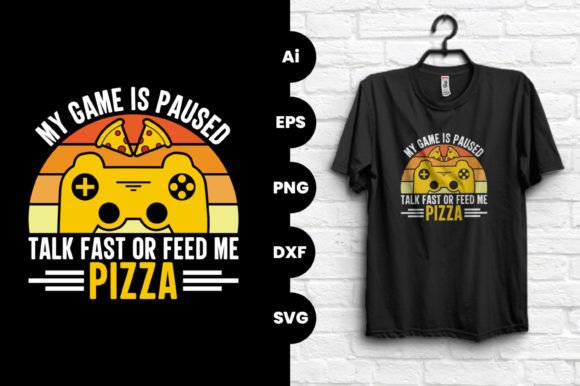
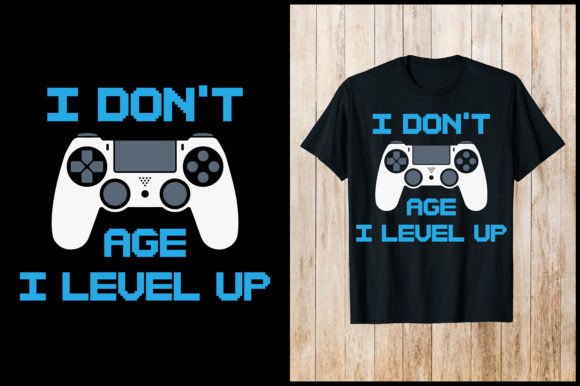
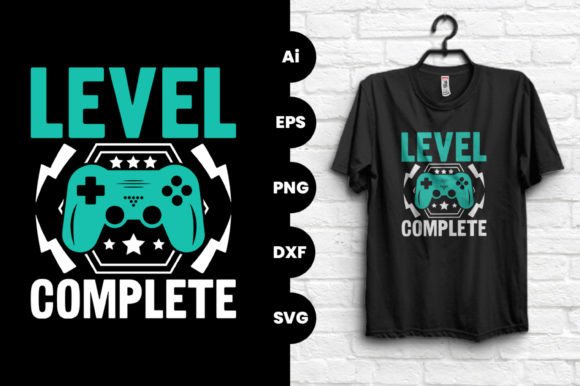
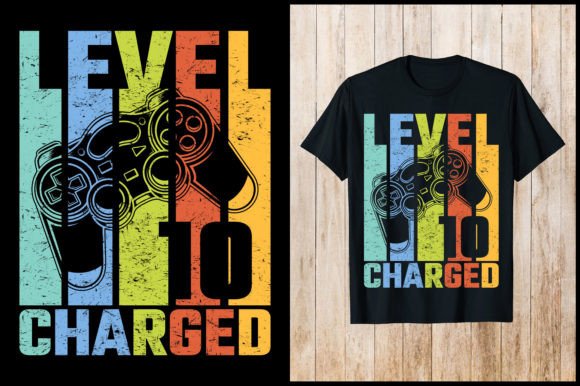
The initial view of the LEVEL 10 CHARGED Gaming T-Shirt design suggests a bold, energetic mood. It taps directly into gaming culture, which demands high contrast and clear silhouettes. For an embroidery designer, the layout is the first thing I scrutinize. Does it have enough negative space? Are the lines clean enough to be interpreted by a machine?
This particular piece, categorized under T-Shirt Designs and Graphics, presents a strong visual personality. It feels modern and targeted. When I imagine this stitched out, I do not see a delicate, subtle accent. I see a statement piece. The design’s structure suggests it would perform best where it has room to breathe, rather than being cramped into a tiny pocket area. The artboard dimensions of 4500 by 5400 pixels provide ample resolution for scaling, which is crucial when preparing files for different hoop sizes or print applications.
Real-World Application Scenarios
To truly test a design, you must place it in context. I imagined a recent request from a client who runs a small boutique selling custom apparel for teenagers. They wanted a custom apparel line that resonated with gamers. The LEVEL 10 CHARGED Gaming T-Shirt design fit this brief perfectly. However, I did not stop at t-shirts. I considered how this graphic would translate to other mediums.
For a sweatshirt embroidery project, the design’s bold lines would hold up well against the heavier fabric texture. The fill areas, if converted correctly, would provide a solid, premium look that customers associate with high-quality handmade product items. I also visualized this on a tote bag design. While the original description mentions print readiness, the vector nature of the included AI and EPS files allows for significant adaptation. A large, centered embroidery on a canvas tote could serve as a striking personalized gift for a gaming enthusiast.
Another scenario involved creating embroidered patch products. Patches are forgiving because they are often backed with stiff stabilizer and removed from the garment for washing. The sharp edges of this gaming-themed graphic would look crisp on a twill background, making it an excellent candidate for iron-on or sew-on accessories sold by an Etsy seller or at craft fairs.
Technical Considerations for Stitching
Here is where practical experience matters most. The provided files include AI, EPS, and PNG formats. As an embroidery professional, I know that these are print-ready vectors, not necessarily machine-ready stitch files. You cannot simply load an EPS into your embroidery machine. You must use digitizing software to convert the Graphics into a proper machine embroidery design.
When digitizing this specific design, pay close attention to stitch density. Gaming graphics often feature solid blocks of color. If you rely too heavily on fill stitch without proper underlay, the fabric may pucker, especially on thinner materials like standard cotton t-shirts. I recommend using a combination of satin stitch for borders and text elements to keep them sharp, and carefully managed fill stitches for larger areas. Using a running stitch for internal detailing can help reduce bulk and maintain flexibility in the finished garment.
Choice of stabilizer is non-negotiable. For a project like this, a cut-away stabilizer is ideal for knit fabrics like t-shirts and sweatshirts to prevent distortion over time. If you are attempting this on a woven fabric for a pillow cover or apron, a tear-away might suffice, but always test first. The thread colors you select will make or break the design. High-contrast combinations work best here. Avoid blending similar shades, as the detail may get lost in the stitching texture.
Fabric and Hoop Constraints
Not every surface is suitable for this design. I would advise caution when using it on stretchy fabric without proper hooping technique. The design’s width requires a sufficiently large hoop size. Attempting to squeeze this into a small 4x4 hoop would result in loss of detail and potential registration errors. It is better suited for 5x7 or larger hoops, depending on how you scale the final output.
Also, consider the fabric texture. On highly textured materials like fleece or terry cloth, fine details may disappear. This design thrives on smooth surfaces. If you are working on dark fabric, ensure your digitizing includes proper underlay stitches to prevent the fabric color from showing through the top threads. This is a common mistake that lowers the perceived value of a finished product.
Commercial Viability and Brand Consistency
For craft business owners and small shop product creators, consistency is key. The LEVEL 10 CHARGED Gaming T-Shirt design offers a cohesive look that can be part of a broader collection. It appeals to a specific demographic, which helps in targeting marketing efforts. Whether you are creating holiday embroidery gifts or everyday custom apparel, this design adds a layer of professionalism if executed correctly.
However, always verify licensing. The product description states it is ready for print and includes vector files, but it does not explicitly detail commercial embroidery rights. Before selling digital embroidery file conversions or finished items, confirm the license terms with the creator. Protecting your design assets and respecting intellectual property is crucial for long-term success as a creative entrepreneur.
Final Practical Notes
Before committing to a full production run, follow these steps:
- Test the design on scrap fabric identical to your final product material.
- Check thread color contrast in natural light, not just on screen.
- Review stitch density settings in your digitizing software to avoid puckering.
- Confirm the hoop size matches your machine’s capabilities.
- Inspect small details after the test stitch-out to ensure clarity.
- Use proper stabilizer for the specific fabric weight and type.
- Create black and white mockups to check value and contrast independent of color.
The LEVEL 10 CHARGED Gaming T-Shirt design is a strong contender for modern embroidery projects. It requires thoughtful digitizing and careful material selection, but the payoff is a high-impact, professional-looking item that resonates with its audience. For those willing to put in the technical work, it is a valuable addition to your library of embroidery project resources.